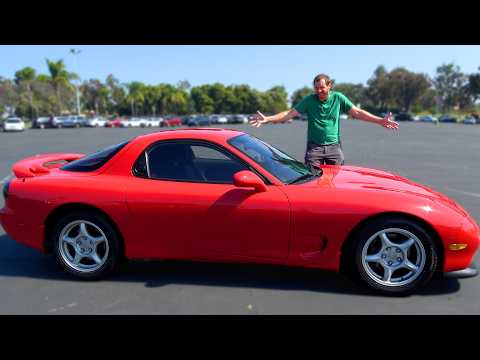
1993 · Mazda
RX-7
46
⚪ Regular
OctaneScore / 100
👁 3 reviews
Score Breakdown
Performance
95
Livability
44
Driving Tech
43
Cabin Tech
50
Value
33
Reliability
19
Design
88
Economy
0
3 Reviews
Doug DeMuro
Aug 13, 2026
57🔷 Premium
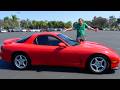
Doug DeMuro delivers a mixed but enthusiastic review of the 1993 Mazda RX-7 FD, scoring it 57/100 while calling it "an absolute masterpiece" and "one of the very best Japanese sports cars ever." The RX-7 excels in performance and design, featuring an incredibly smooth and eager rotary engine paired with light 2,700-lb curb weight, plus absolutely beautiful styling with clever details like integrated door handles and pop-up headlights that keep the front end clean. However, prospective buyers must contend with significant reliability concerns—rotary engines become maintenance-heavy and unreliable with age, and many mechanics lack expertise to service them—plus poor value proposition since the RX-7 was originally underpriced relative to its power and suffered from buyer confusion about the rotary powertrain. This car is ideal for enthusiasts who prioritize driving experience and styling over practicality and can commit to finding rotary-specialist mechanics and accepting higher ownership costs.
▶ Watch Review ↗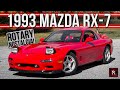
Redline Reviews
Dec 4, 2024
48⚪ Regular
Redline Reviews gives the 1993 Mazda RX-7 Touring a mixed 48/100 score, praising it as one of Japan's purest driving experiences with a perfect 50/50 weight distribution, lightweight 2,700-pound chassis, and charismatic twin-turbocharged rotary engine producing 255 horsepower. The car's timeless design with pop-up headlights and classic aerodynamic curves earns high marks, and the cabin delivers an enthusiast-focused experience with traditional analog gauges and comfortable leather bucket seats. However, the rotary engine comes with severe long-term costs: rotary engines are "extremely problematic" requiring replacement around 60,000 miles, the car delivers fuel economy of only 15-17 mpg on premium while burning significant oil, and it lacks modern safety features like traction control or stability control. This is a car exclusively for nostalgic driving enthusiasts willing to accept high maintenance costs and poor fuel economy for the visceral, mechanical joy of piloting a race car-like machine.
▶ Watch Review ↗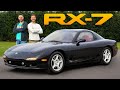
Throttle House
Nov 2, 2023
46⚪ Regular
Throttle House's review of the 1993 Mazda RX-7 presents a mixed picture (46/100), praising its stunning design and capable performance while acknowledging significant practical drawbacks. The RX-7 excels in design (89/100) with its iconic beauty and graceful lines, and delivers respectable performance (70/100) with a quick 0-60 time, sequential turbochargers that provide real push, and a delightfully nimble, light handling character on winding roads. However, the car suffers from poor ride quality with banging suspension noises, a cramped interior with no telescoping steering wheel, minimal sound deadening, a lack of traction control, and the rotary engine requires constant attention to keep alive—all while commanding an illogical market price of $50,000 to over $100,000. The RX-7 is best suited for enthusiasts who prioritize driving character and aesthetics over practicality and can afford to modify and maintain this temperamental classic.
▶ Watch Review ↗